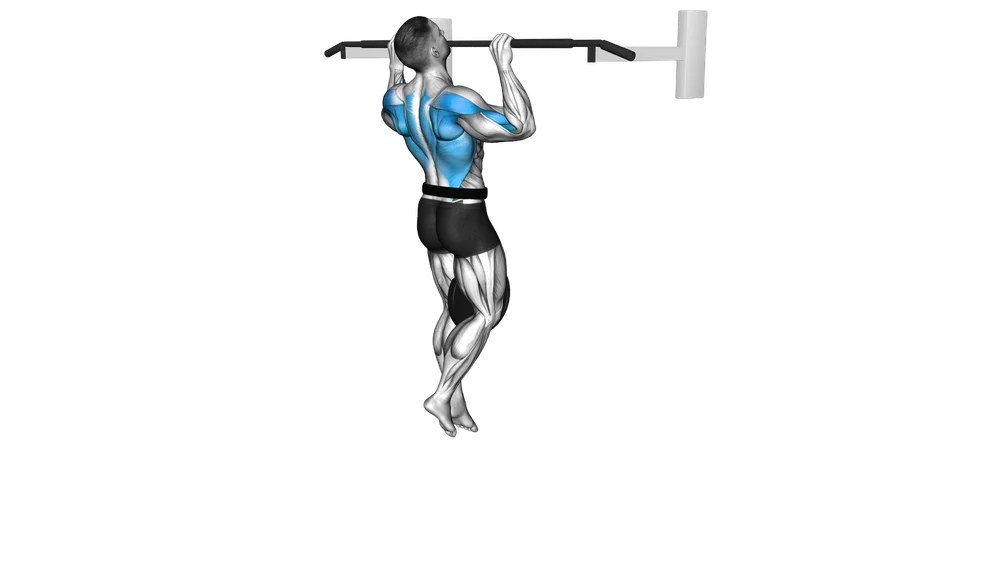
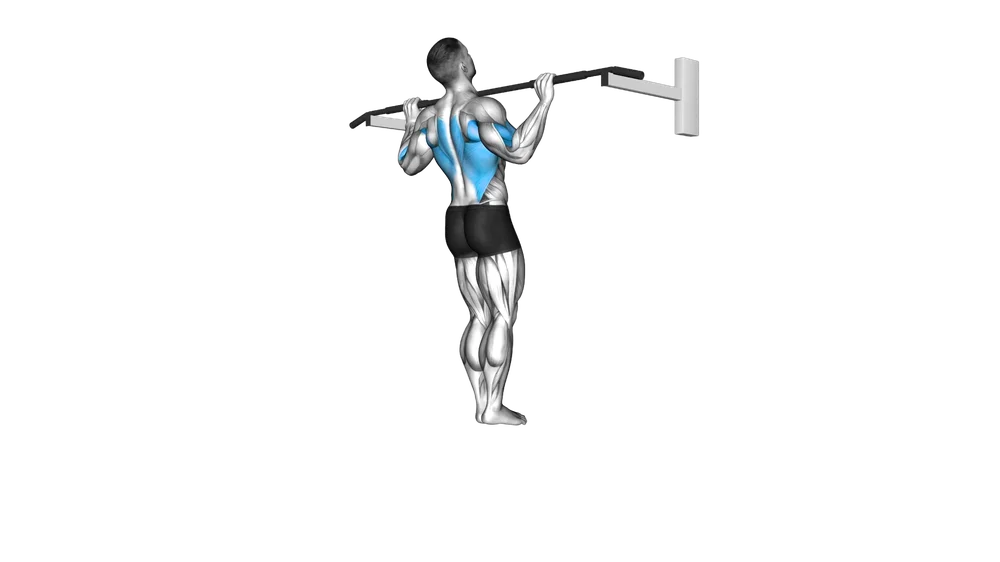
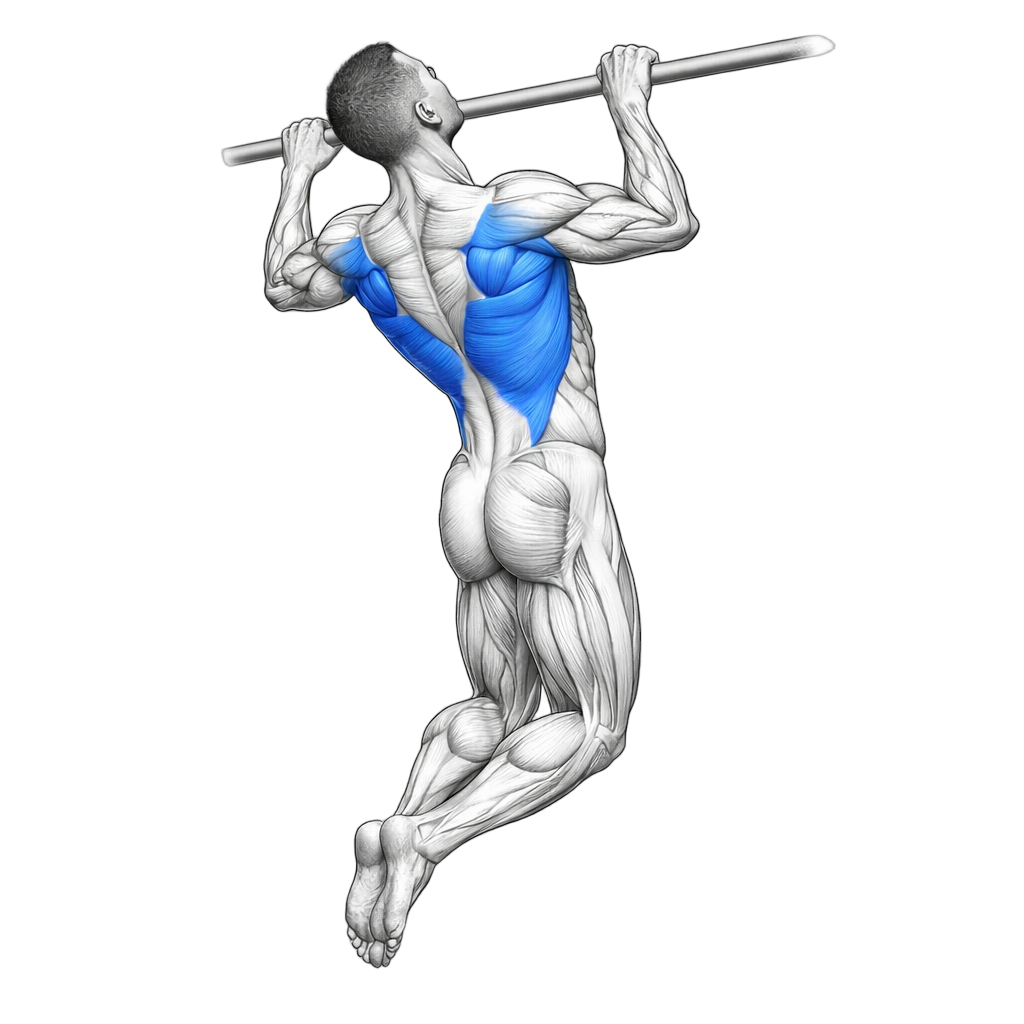
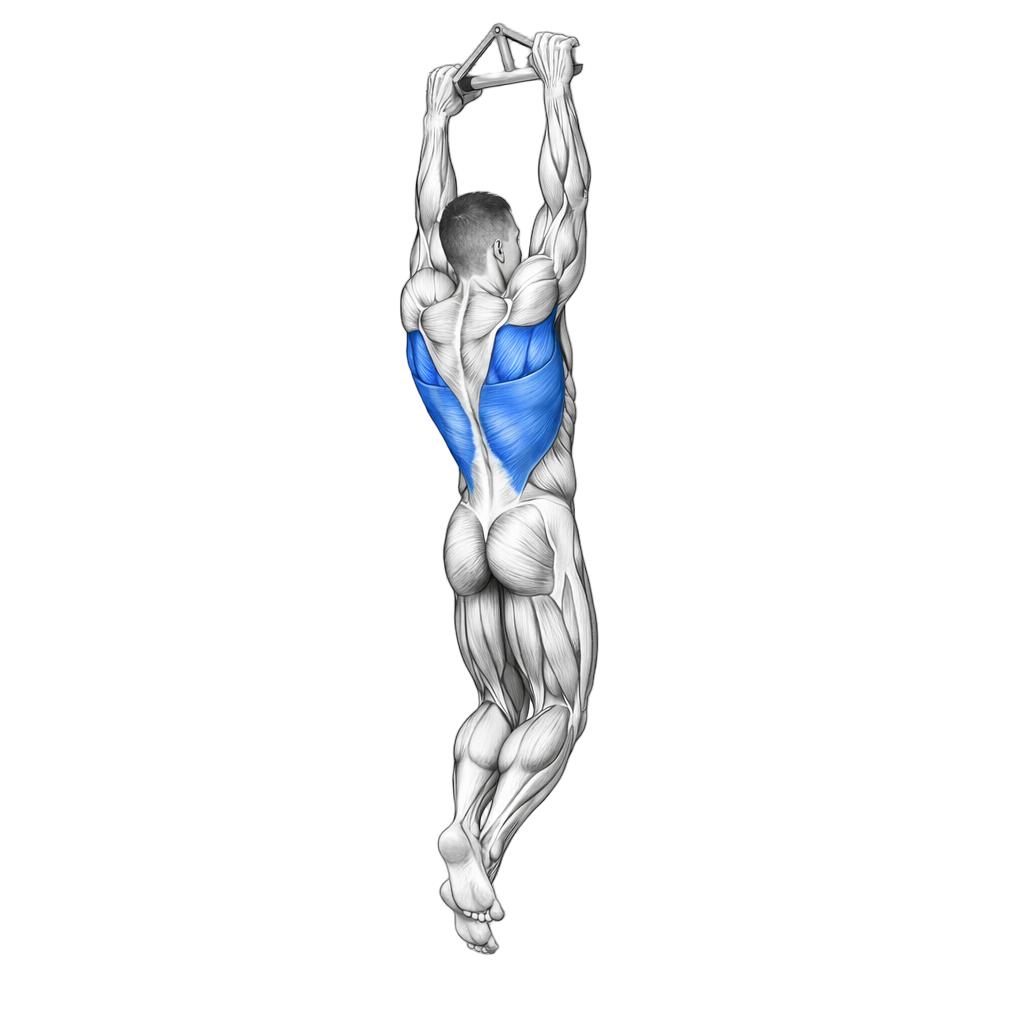
Added load on chin-ups for monster lats and biceps.
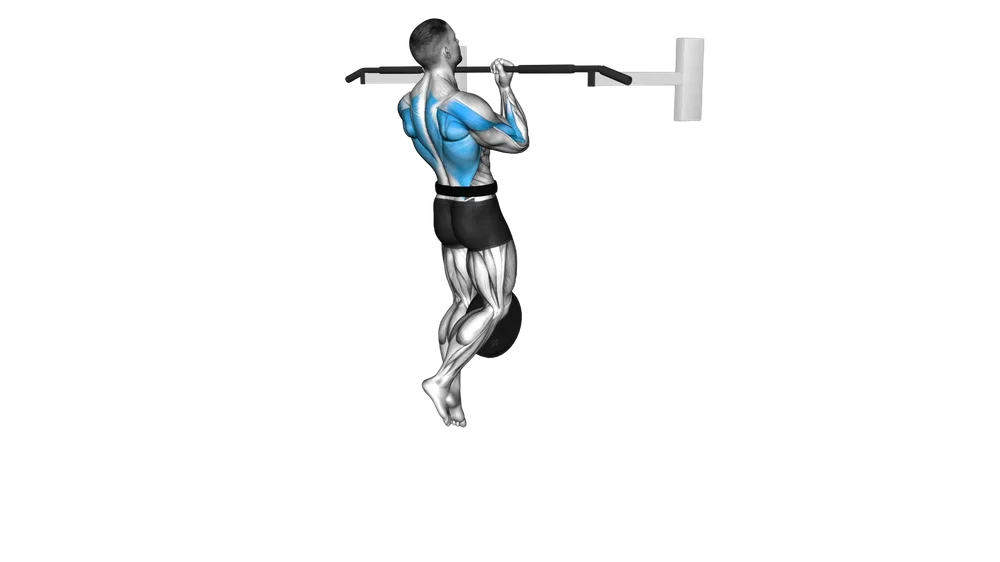
Pull with your back and biceps, get a full hang every rep.
Adding load to the chin-up turns the best bodyweight pull into a genuine heavy strength lift. The underhand grip keeps the biceps in their strongest position while the lats do the bulk of the work driving your elbows down, and hanging weight from a belt lets you progress in small jumps for years. It earns its place as the upper-body pull you treat like a barbell lift, low reps, full hangs, added plates.
When strict bodyweight chin-ups from a full hang feel comfortable for solid sets, roughly when you have reps to spare at the end. Start with a small plate and keep every rep full range.
A dip belt is the cleaner option and scales to heavy loads. A dumbbell gripped between the feet works fine for smaller jumps but demands attention once the weight gets serious.
The underhand grip puts your biceps in a stronger line of pull, so most lifters handle more added load on chin-ups. That makes them a great entry point into weighted bar work.