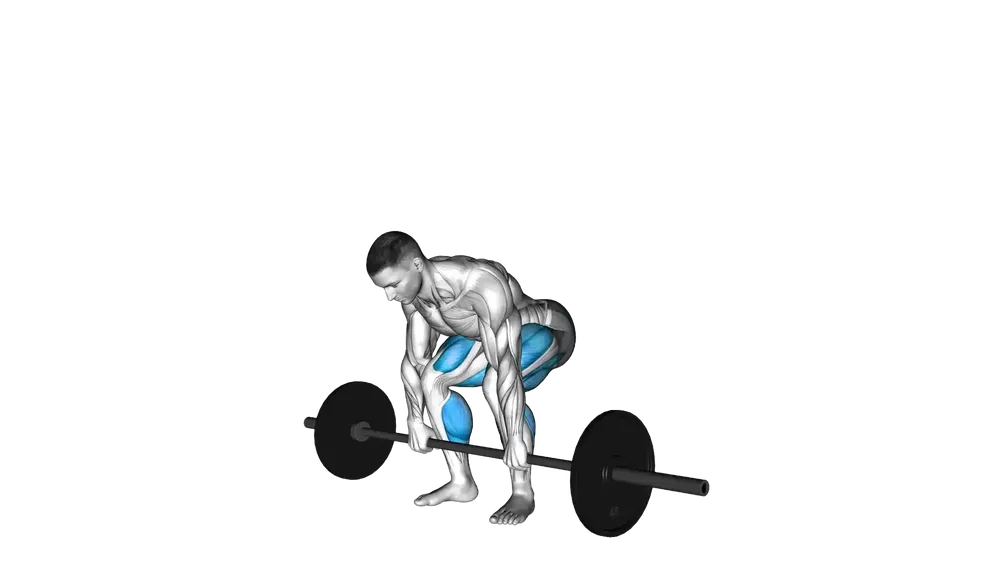
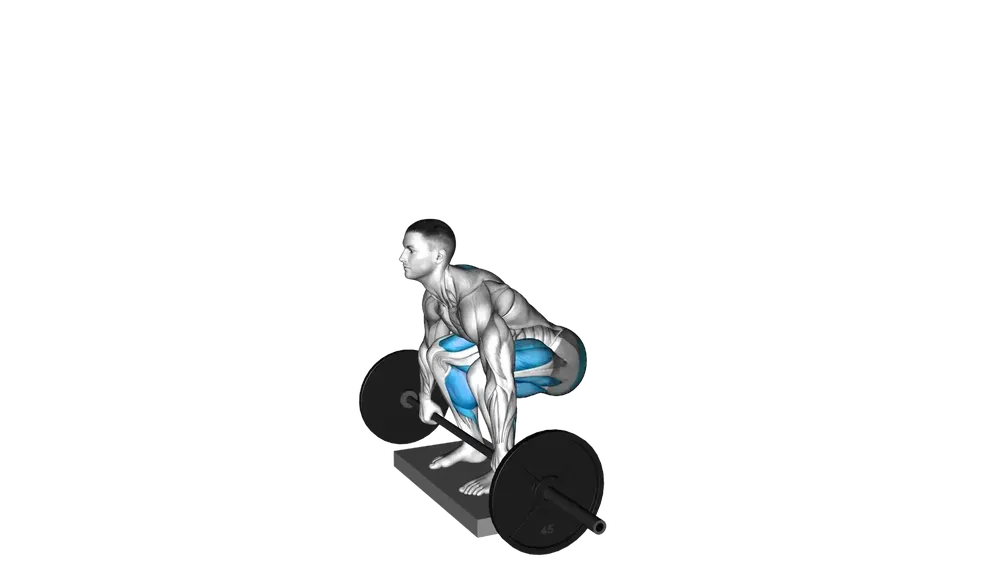
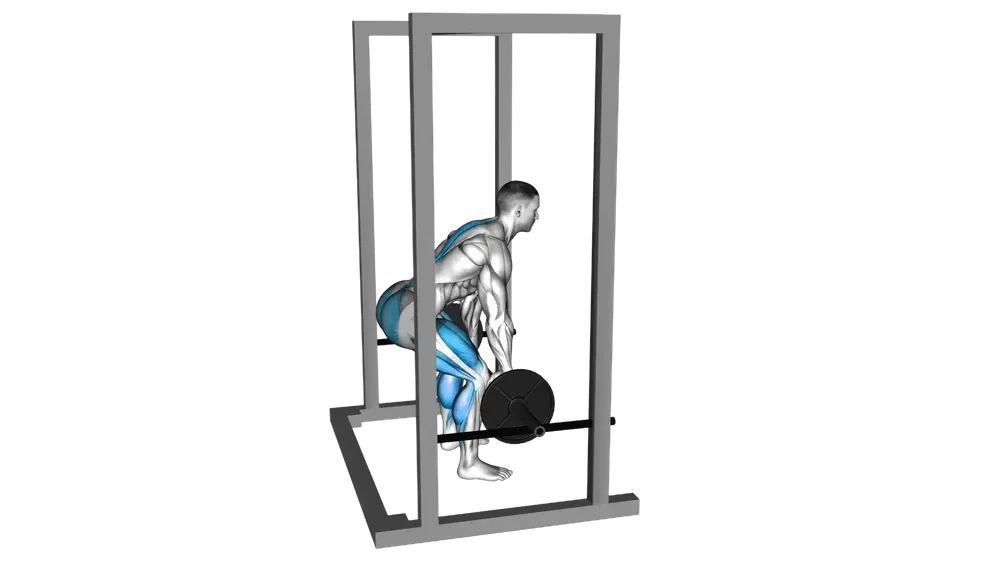
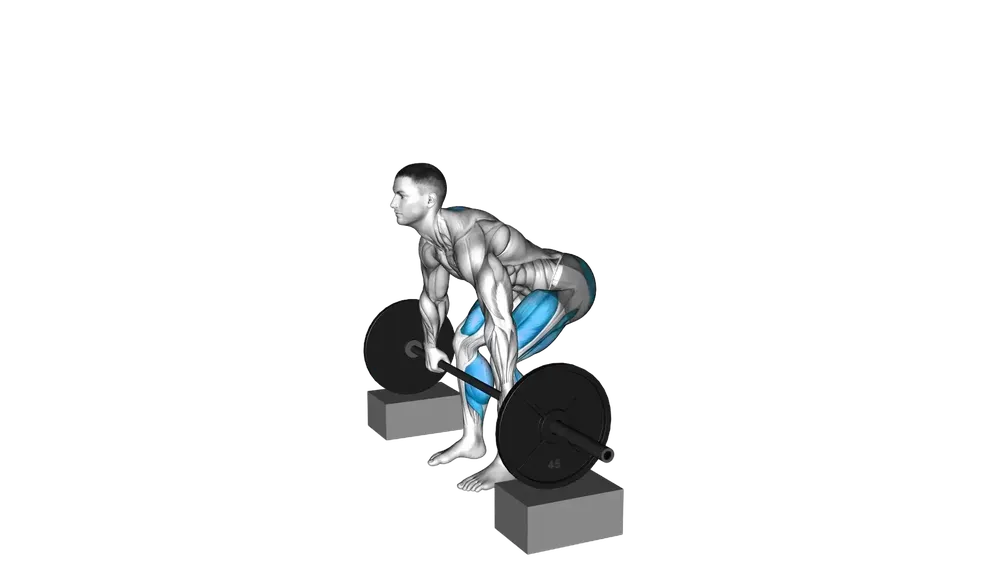
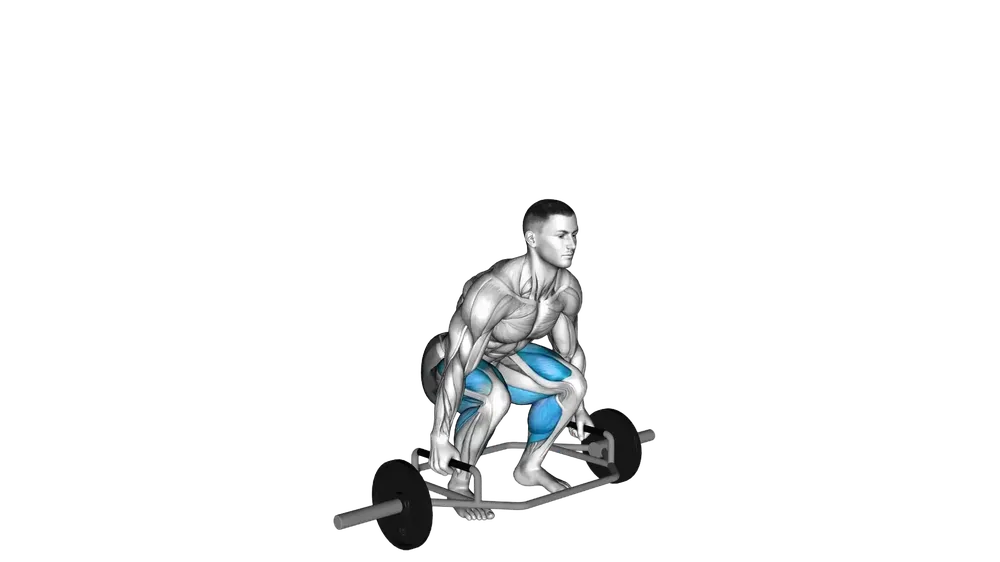
Neutral grip row that builds a thick back without wrecking your wrists.
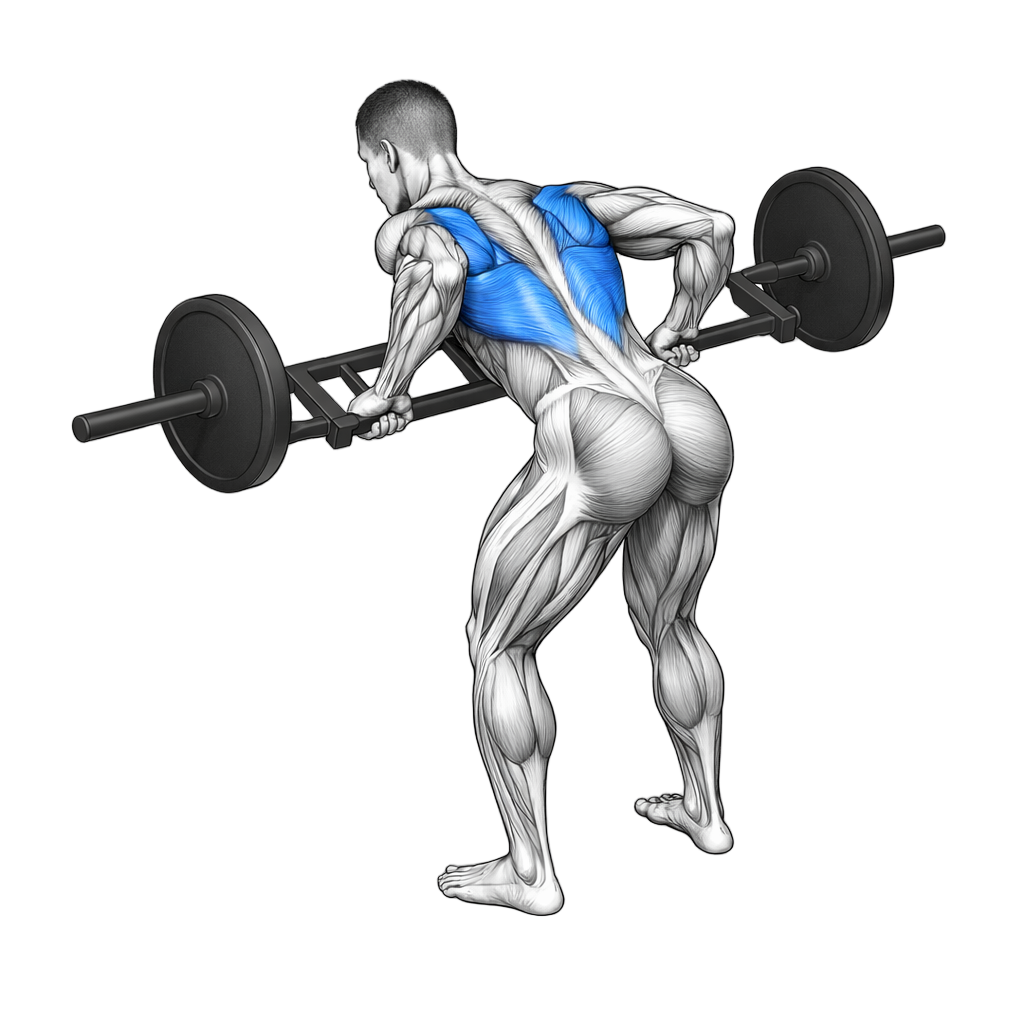
Keep your torso angle steady, row with your back not by jerking your whole body up.
Rowing with neutral handles lets your wrists and elbows sit in their strongest natural line, so the lats and mid-back can be loaded hard without your grip or forearms complaining first. The biceps assist every pull, but the fixed hinge and elbows driving back keep the back as the prime mover. It earns its spot for lifters who find straight-bar rows tough on their wrists or elbows and want to keep rowing heavy anyway.
The neutral grip. Palms facing each other keeps wrists straight and elbows in a comfortable line, which usually means heavier, cleaner rows with less forearm and elbow irritation. The back work is the same, the joints just complain less.
Towards your lower chest with elbows driving back at a moderate angle, splitting the difference the neutral grip naturally encourages. Pulling to the belly biases lats, higher hits more mid-back, the swiss bar sits comfortably in between.
Set your hinge and lock it. A small drift on the last grinding rep happens, but if every rep starts with your hips popping up, you are lifting the weight with your lower back momentum, not rowing it with your lats.