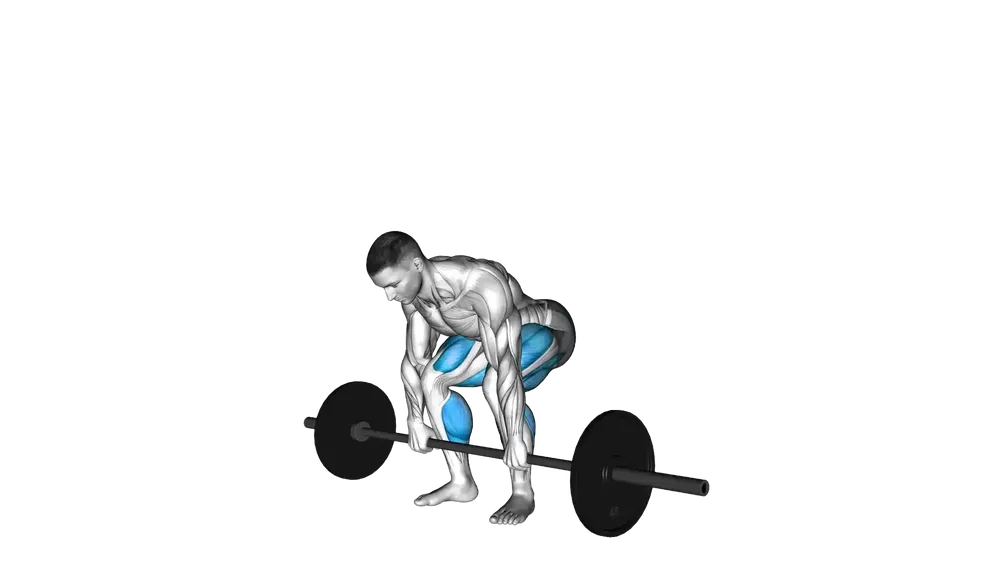
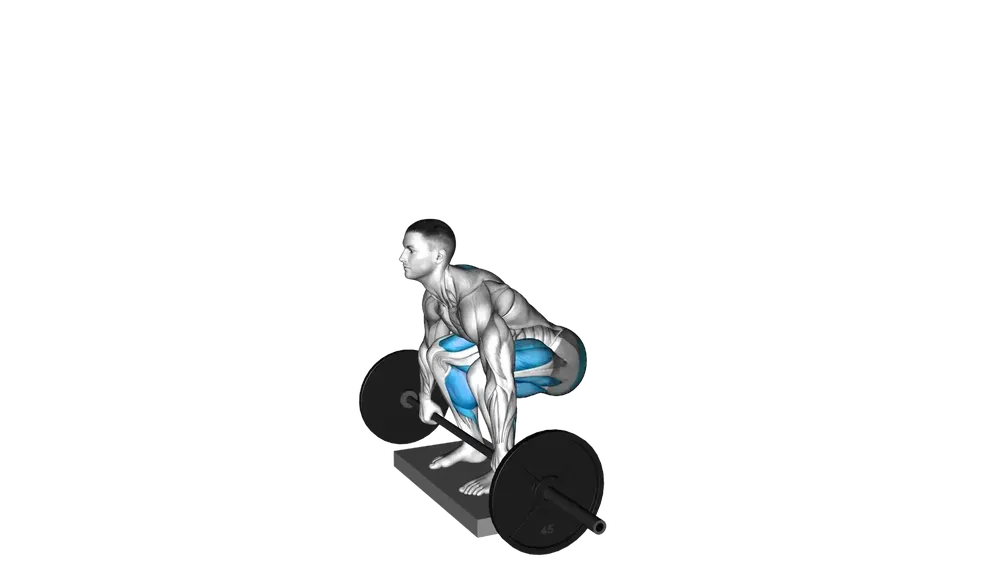
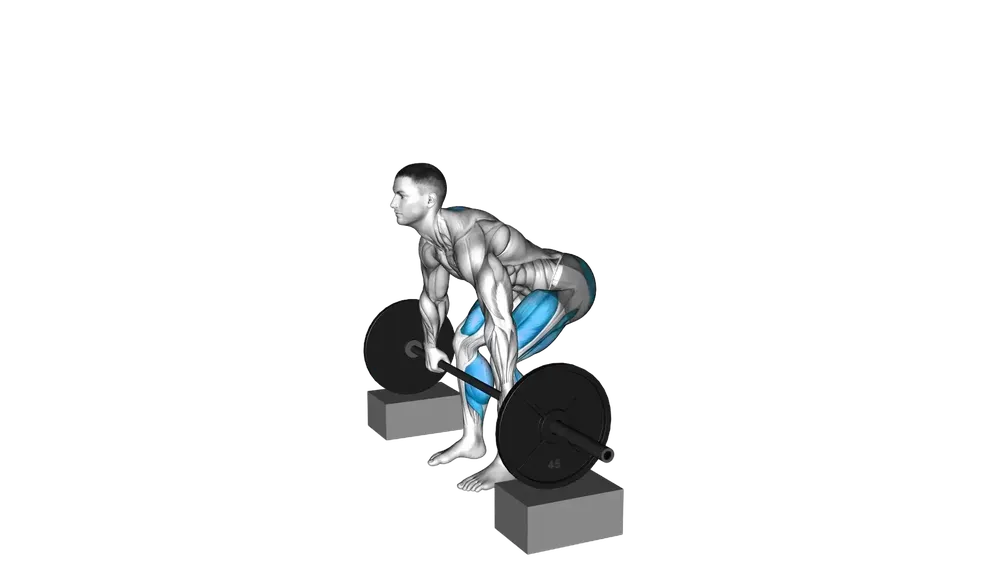
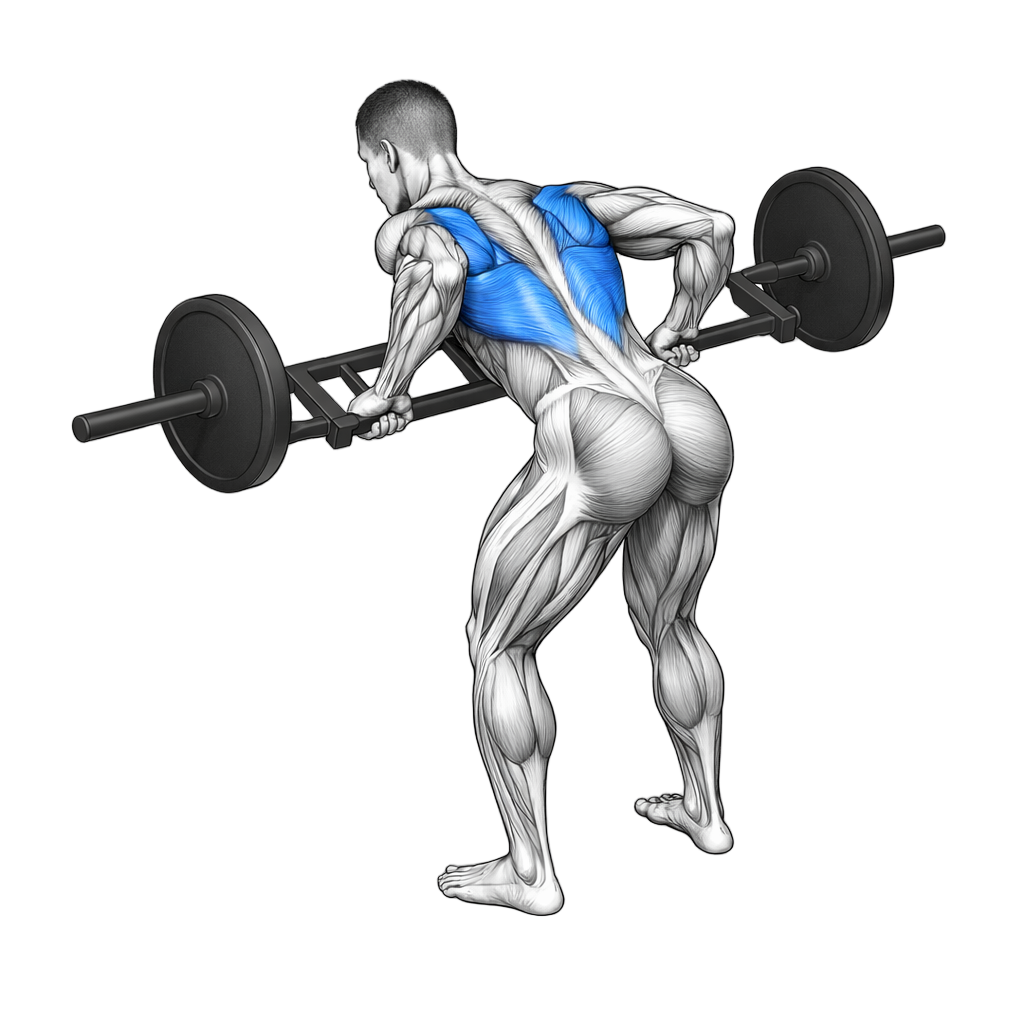
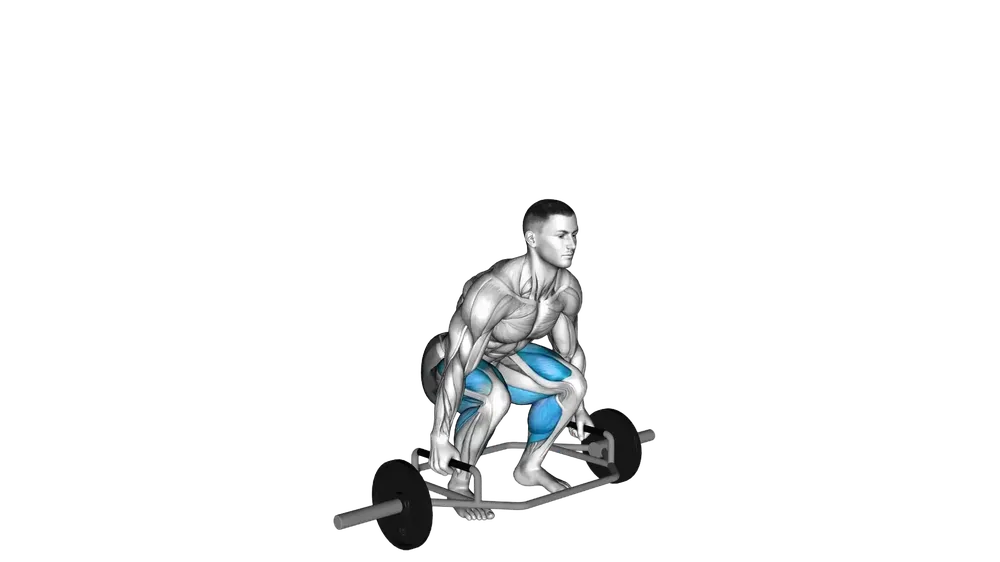
Deadlift's top half. Overload the back and hammer your lockout.
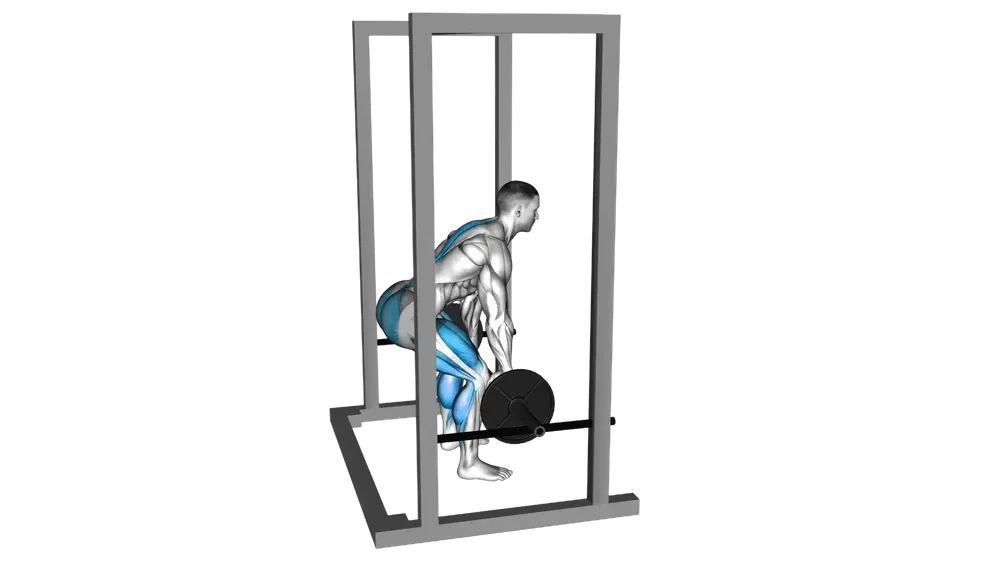
Don't lean back at the top, finish standing tall with your hips fully through.
Setting the pins at knee height chops off the hardest part of the deadlift and leaves the strongest part, which lets your back handle heavier weight than it would ever see from the floor. The traps, lats and spinal erectors work overtime holding position under that overload, while the hamstrings assist driving the hips through to lockout. It earns its place building brutal back thickness, grip time under serious load, and a lockout that stops being your deadlift's weak link.
At or just below knee height, per the setup. Lower makes it more like a deadlift, higher turns it into an ego shrug, knee level keeps the back and hips honestly involved.
Different tools. Deadlifts train the whole pull from the floor, rack pulls overload the top half so you can hammer the back and lockout with more weight. Most lifters use rack pulls to supplement deadlifts, not replace them.
Hyperextending under a heavy bar loads your spine for no extra benefit, the rep is done when you are standing tall. Finish with glutes squeezed and hips through, not with a backward lean.