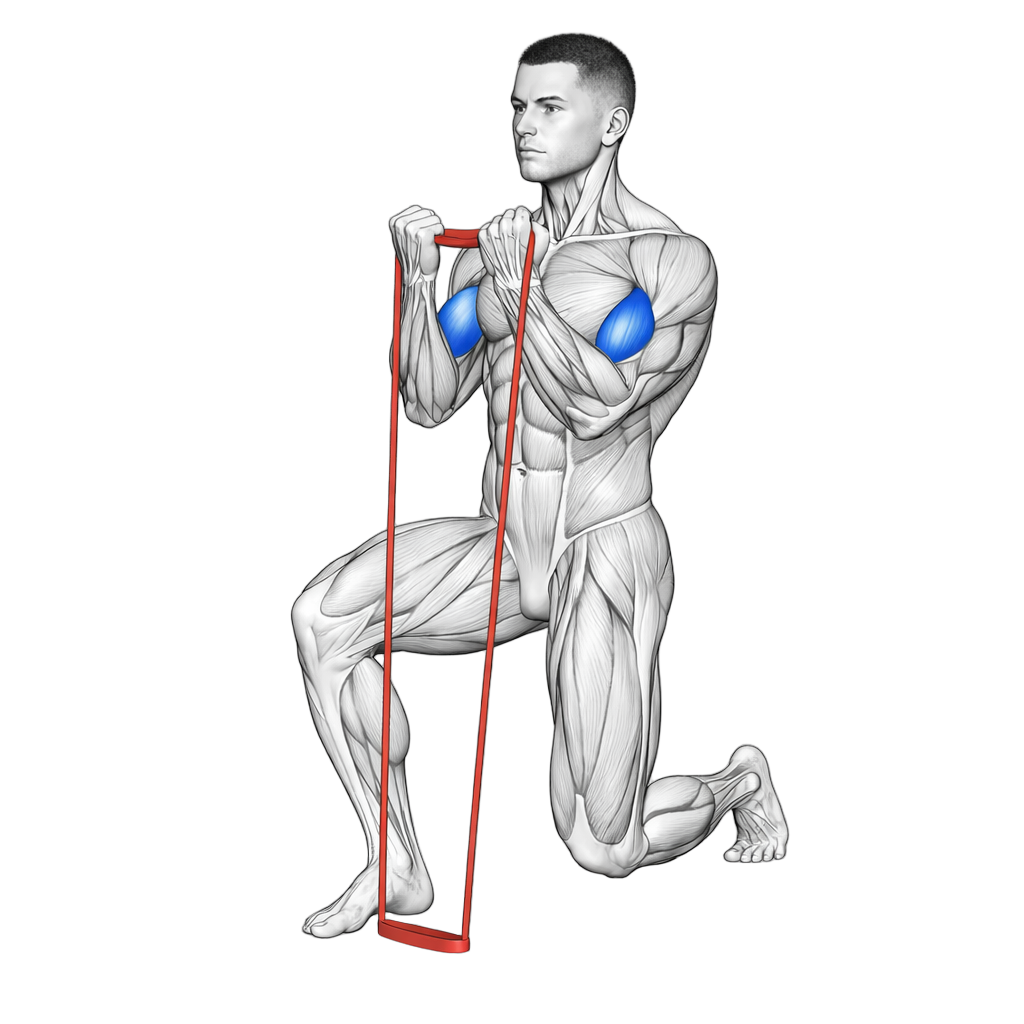
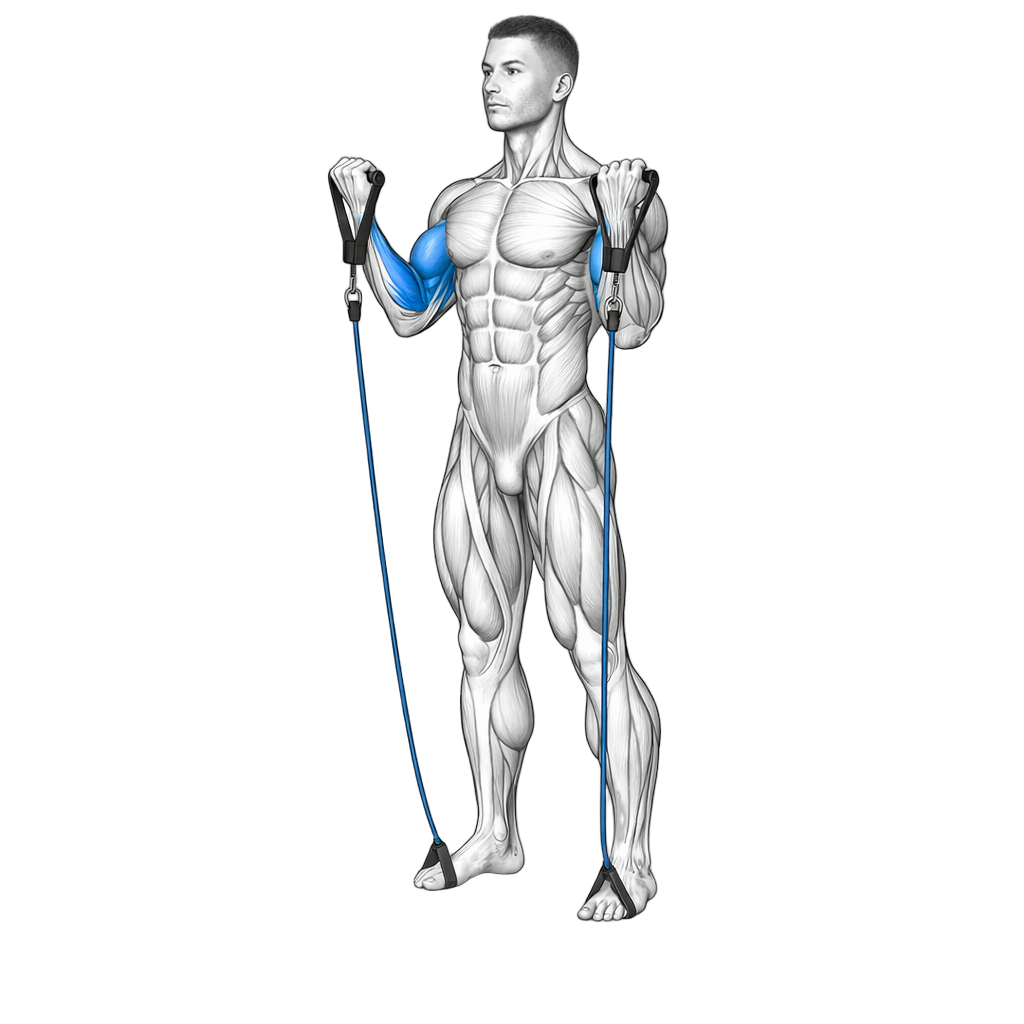
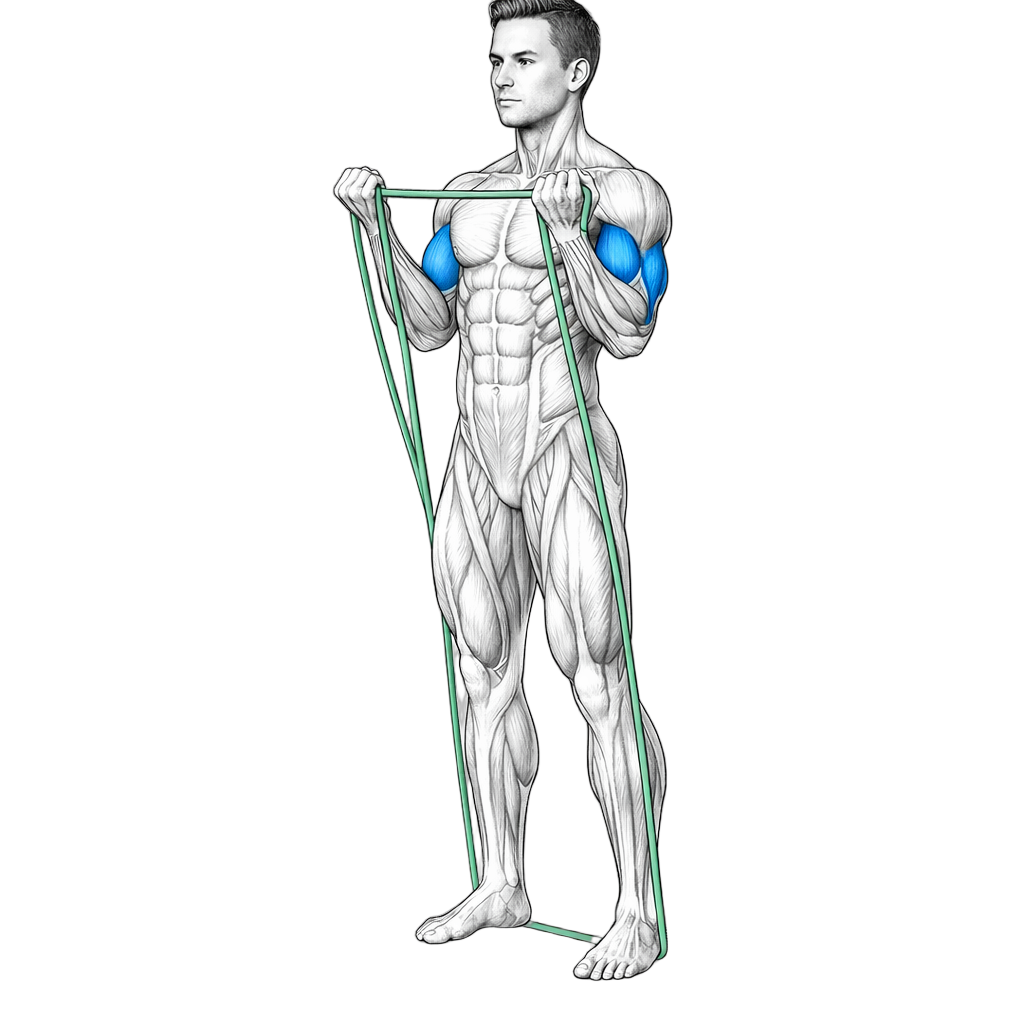
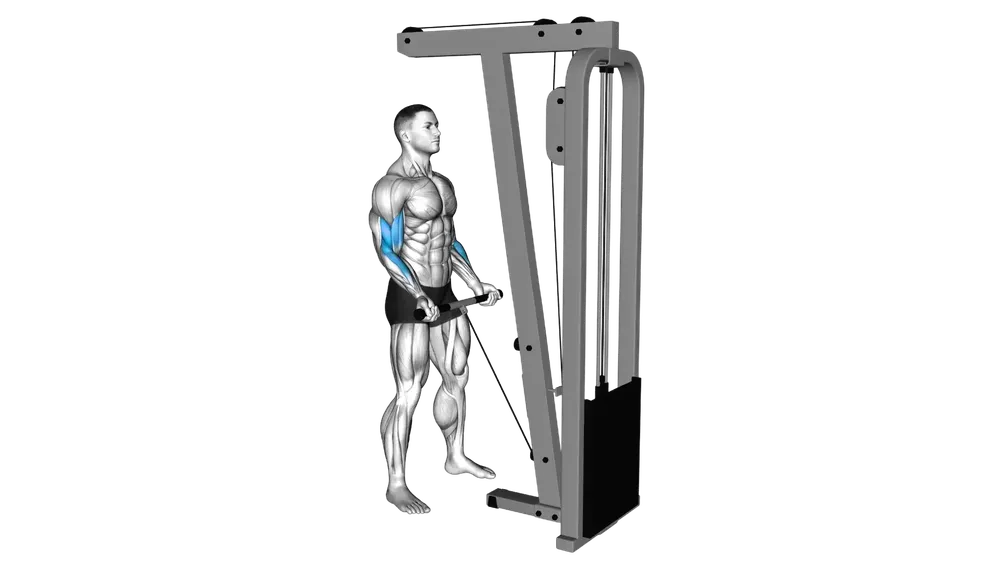
Neutral grip on a band for biceps and forearm tension.
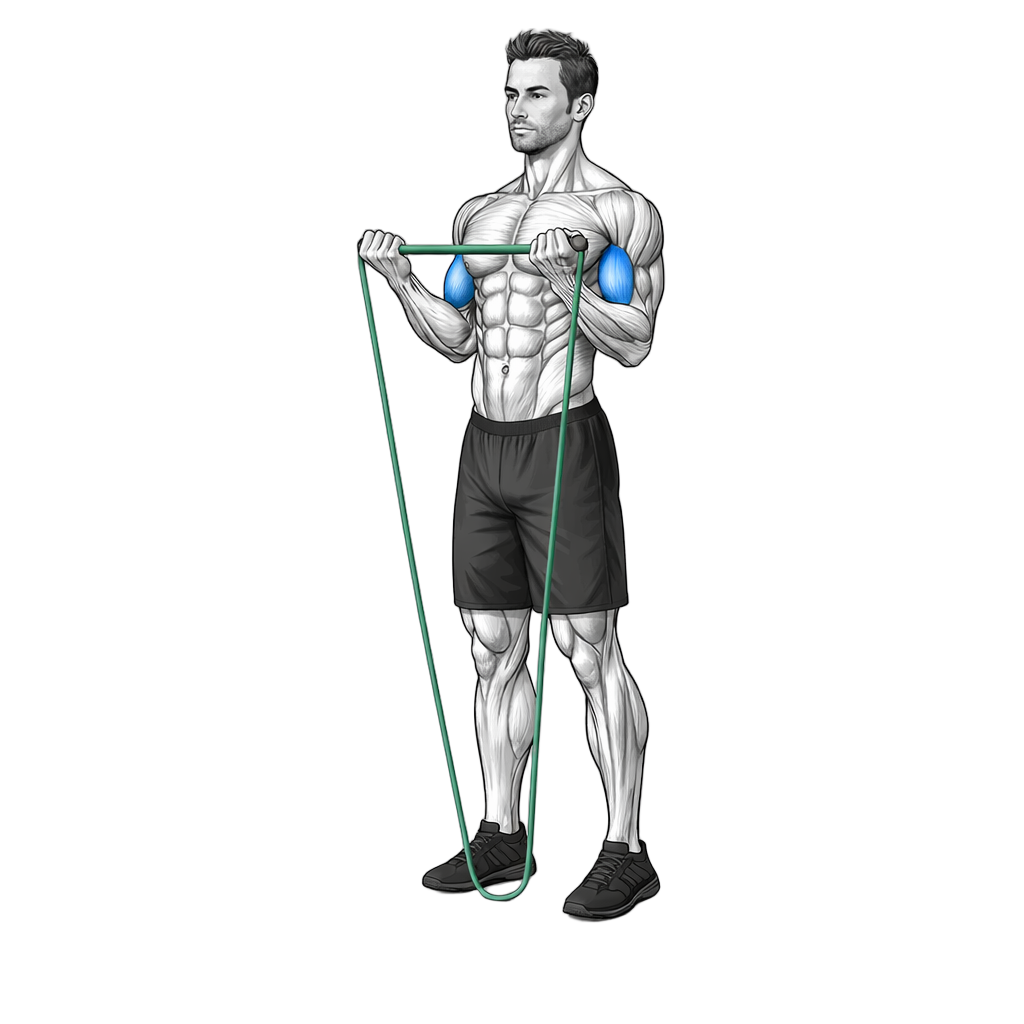
Keep your thumbs up and elbows fixed, control the way down.
Curling the band with palms facing each other shifts emphasis onto the biceps' thickness-building territory while the forearms grip and stabilise against a tension that climbs all the way up. The neutral grip is also the friendliest on wrists and elbows, which makes it the curl variation people can hammer with volume when standard curls flare things up. Since the band resists the lowering phase too, every rep trains the arms in both directions.
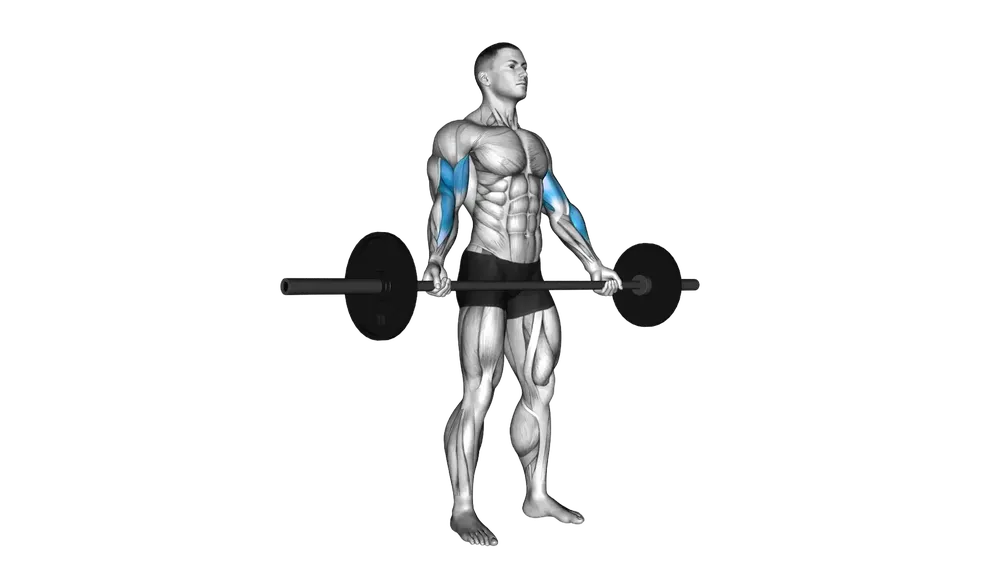
Grip orientation. Palms facing each other in the hammer curl bring the forearms into play more and shift stress across the arm, palms up in the regular curl keeps it a purer biceps move. Most arm programmes benefit from both.
The band's pull is folding your wrist as tension rises. Keep thumbs pointing up and wrists locked in line with your forearms, and if they still collapse, ease the tension until your grip catches up.
You can train arms frequently with bands because the loading is joint-friendly, but growth still needs recovery. Three or four hard sessions a week beats seven half-hearted ones.