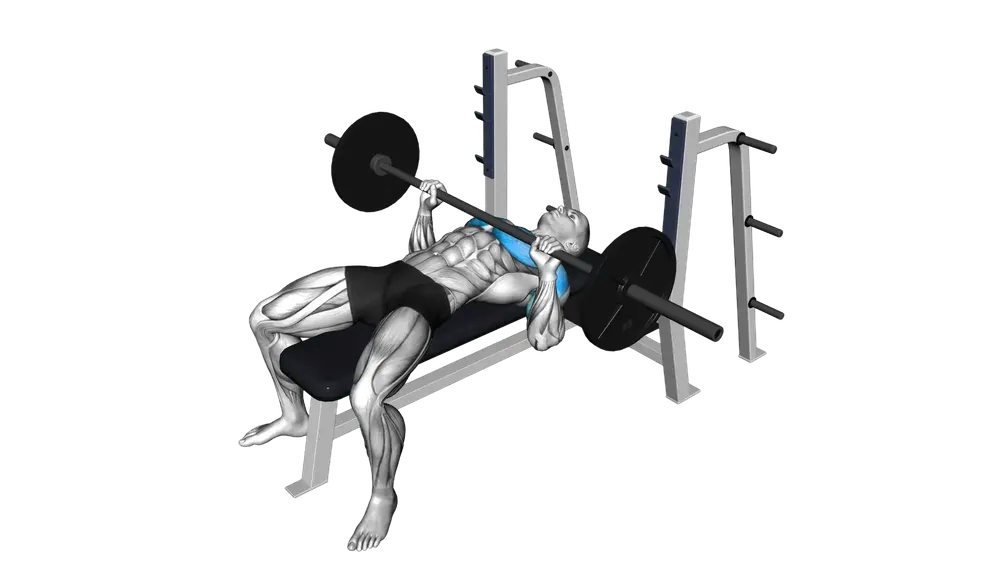
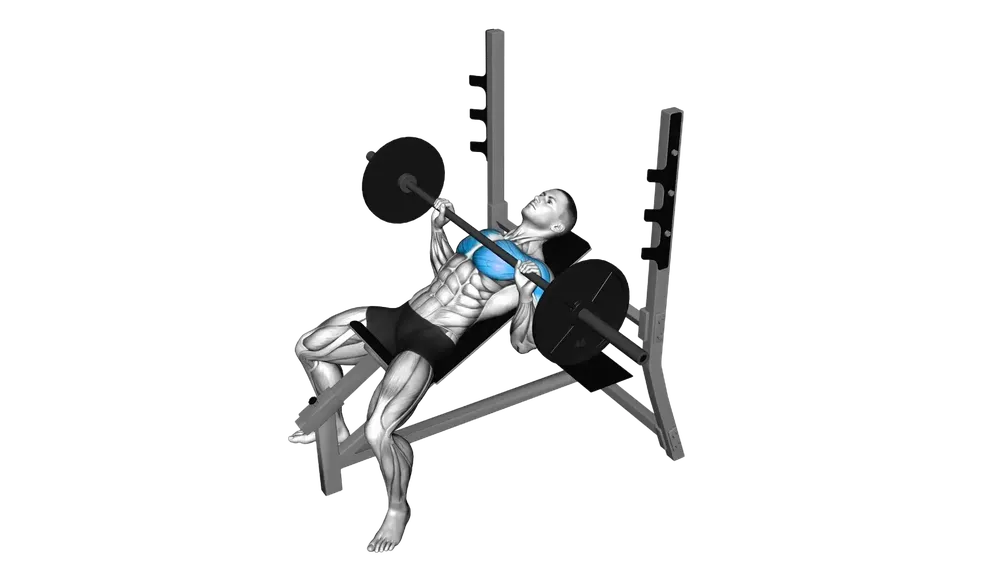
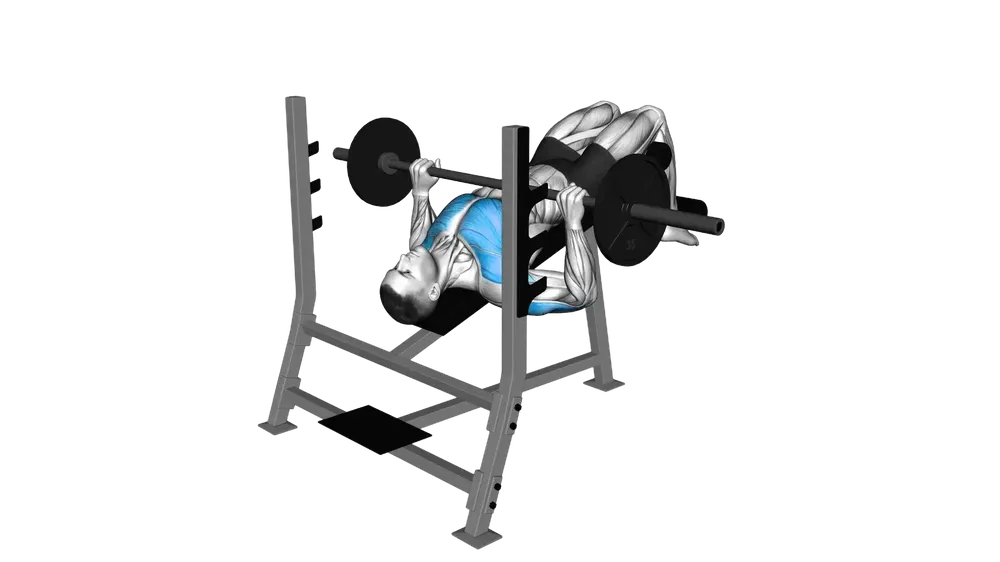
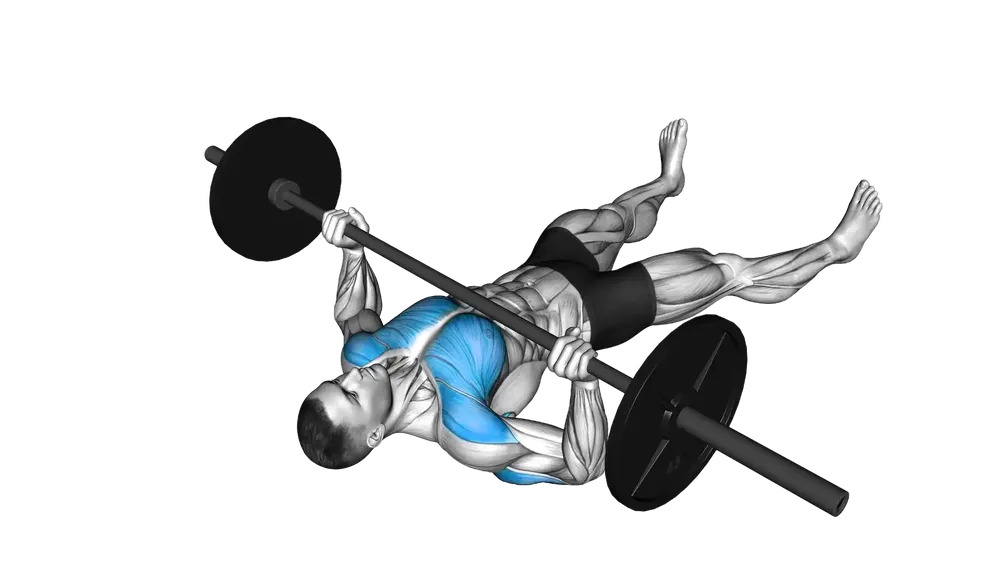
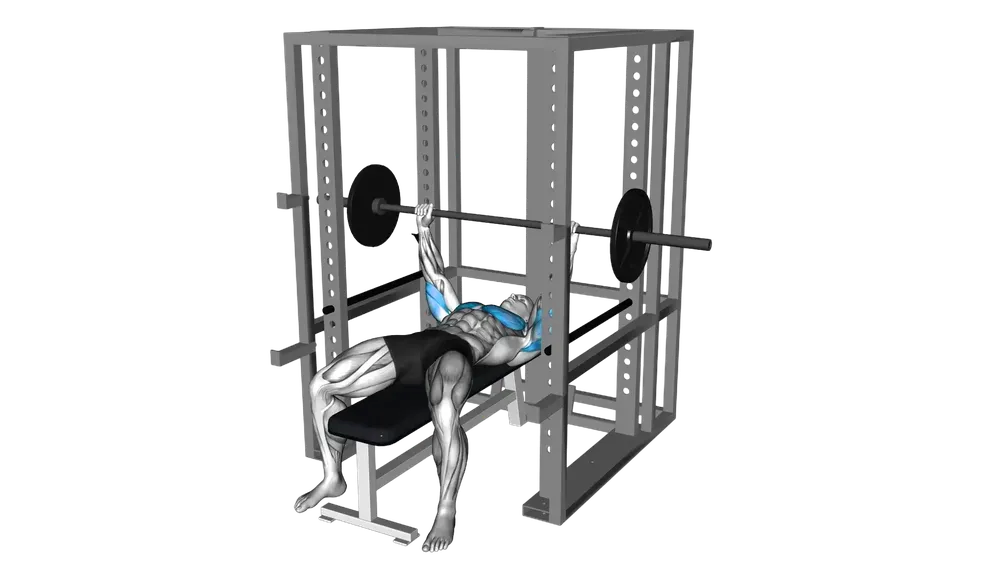
Neutral grip bench that's gentle on the shoulders and loads the triceps.
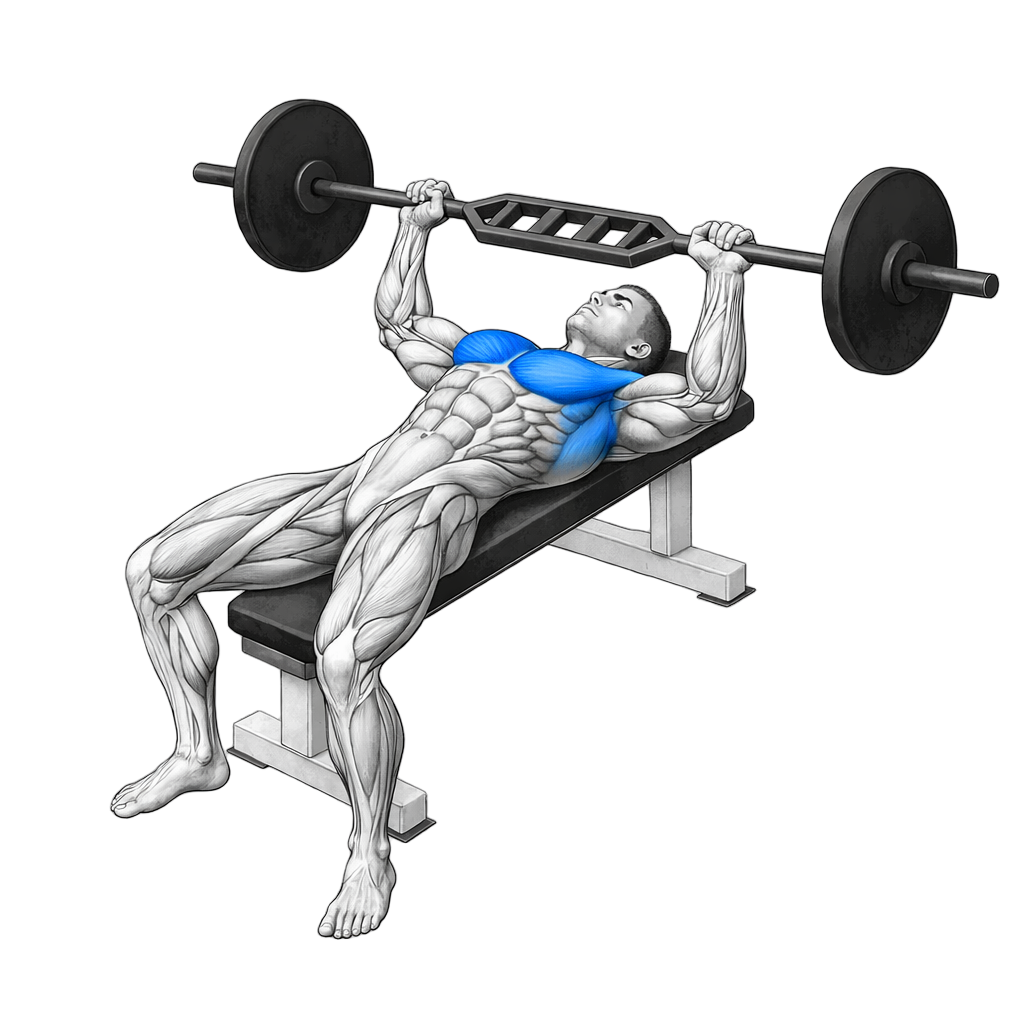
The neutral grip keeps elbows tucked, lean into that to spare your shoulders.
The neutral handles put your palms facing each other, which naturally tucks your elbows and shifts the pressing stress towards the triceps while the chest still drives the bar off your torso. That tucked path is why so many lifters with grumpy shoulders can press pain-free on a swiss bar when a straight bar aggravates them. It earns a place as both a shoulder-saving main press and a triceps-biased builder for a bigger bench.
The neutral grip takes away some chest leverage and hands the triceps more of the bill, plus many swiss bars rock slightly and demand extra stability. Pressing 5 to 10 percent less than your barbell bench is normal, and it climbs fast.
It is the usual first swap when straight-bar benching nags the shoulders, because the neutral grip keeps the elbows tucked and the upper arm in a friendlier line. Not a medical fix, but many lifters press comfortably on it when the barbell version bites.
Most bars offer two or three widths. Start with the middle handles, roughly shoulder width, then go narrower for more triceps or wider for more chest. Pick one and stay consistent so you can actually track progress.