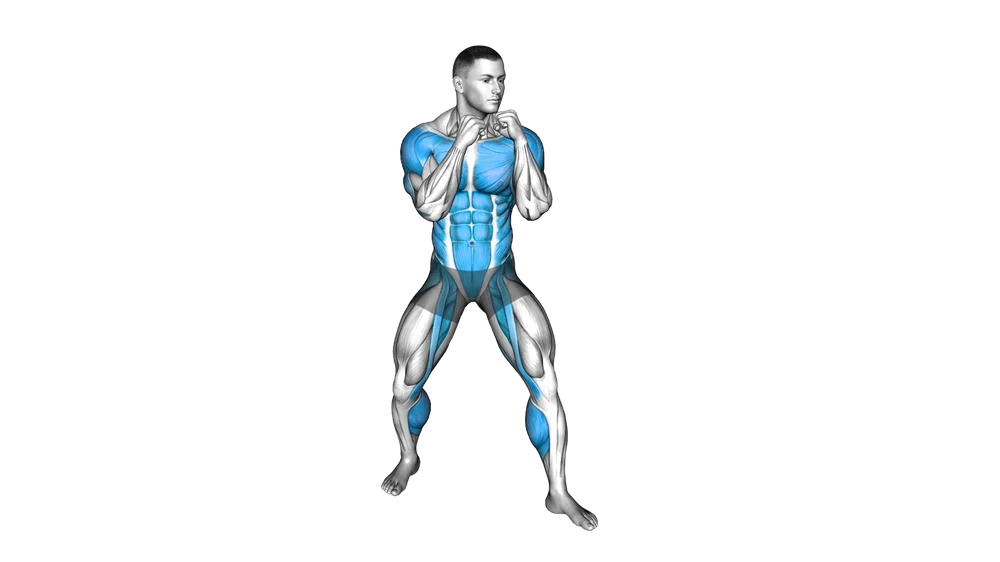
Full-body cardio that's easy on every joint.
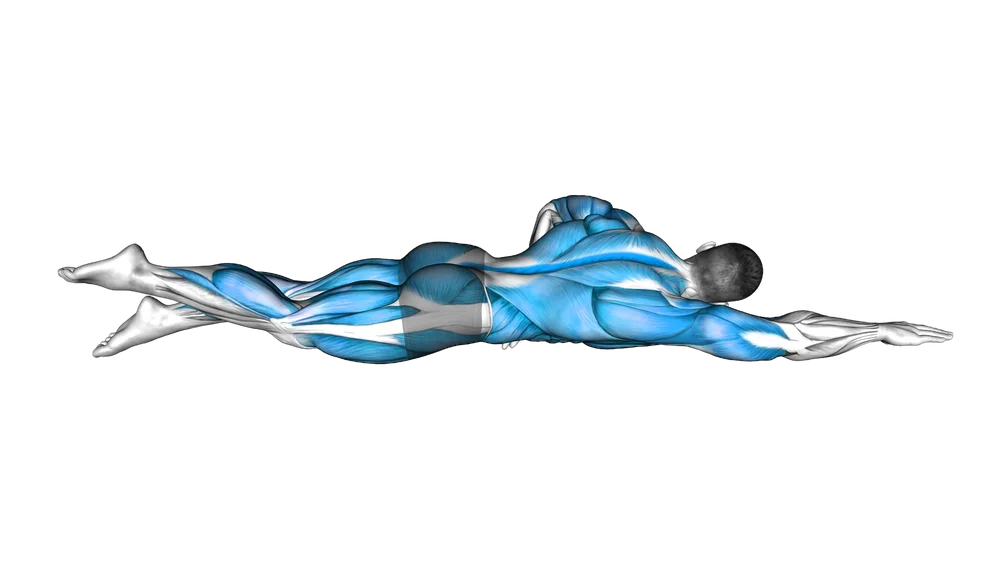
Stay long and streamlined. Rotate from your core rather than fighting the water with your arms alone.
Swimming trains your heart and lungs while the water carries your bodyweight, so the cardiovascular load comes with essentially zero impact on knees, hips and spine. Every stroke also demands coordination between pull, kick and breath, which keeps the effort honest across your whole body rather than just your legs. It earns its place as the recovery-friendly conditioning option, ideal alongside heavy lifting or when joints need a break from pavement.
One of the best pairings there is. It builds your engine with no impact to recover from, so it will not eat into leg day the way running can. Easy technique-focused swims even double as active recovery.
Front crawl gives the most efficient continuous cardio for most people, breaststroke is friendlier when you are learning to manage breathing. Mixing strokes across a session spreads the workload and keeps you in the pool longer.
Almost always breathing and body position, not fitness. Fighting the water vertical and gasping burns energy fast. Stay long and flat near the surface, exhale into the water between breaths, and your lengths will multiply quickly.