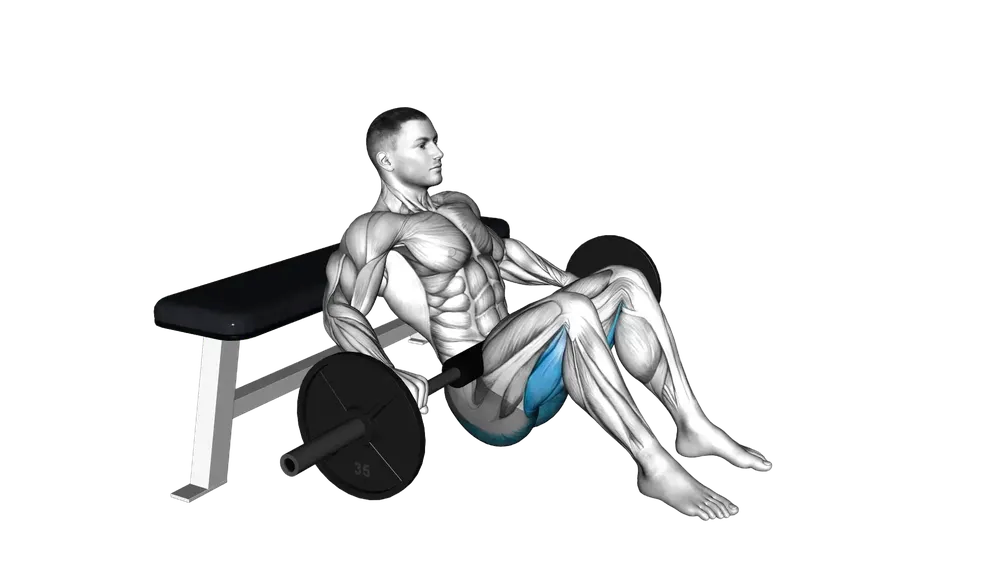
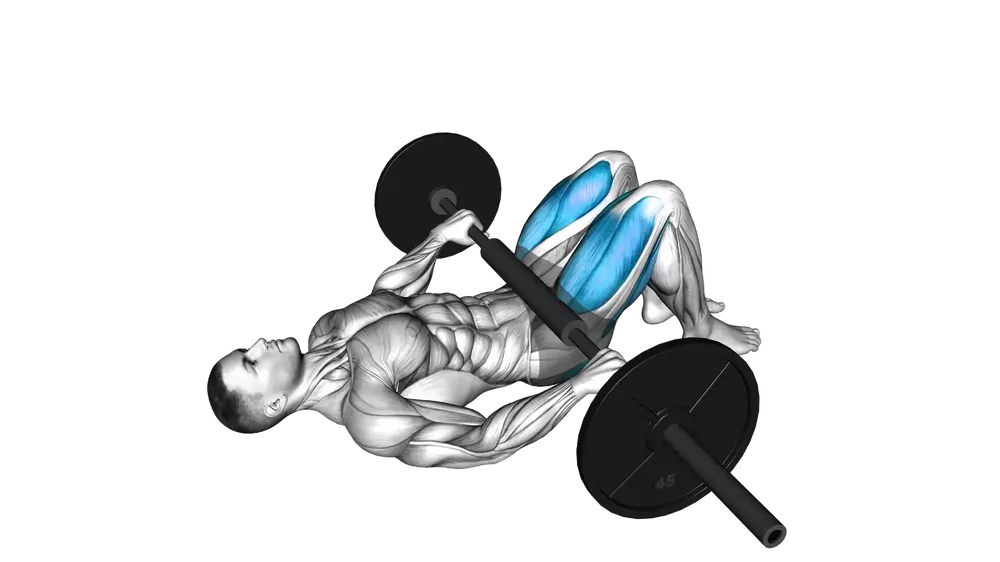
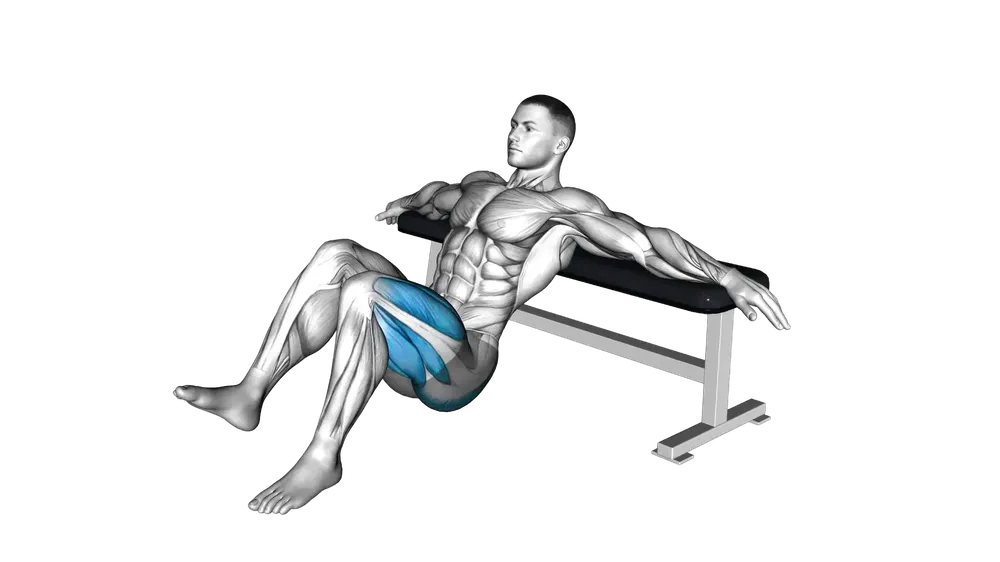
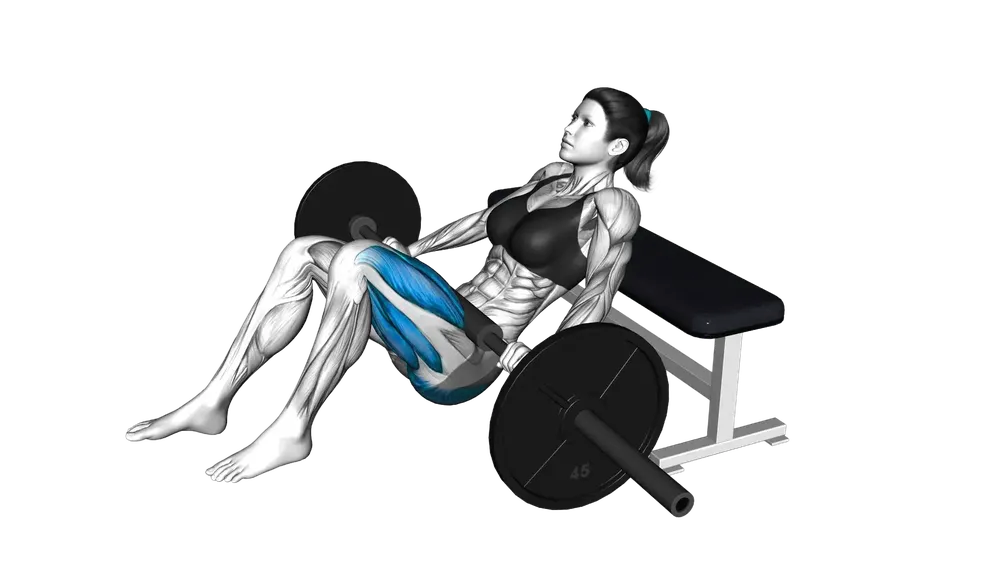
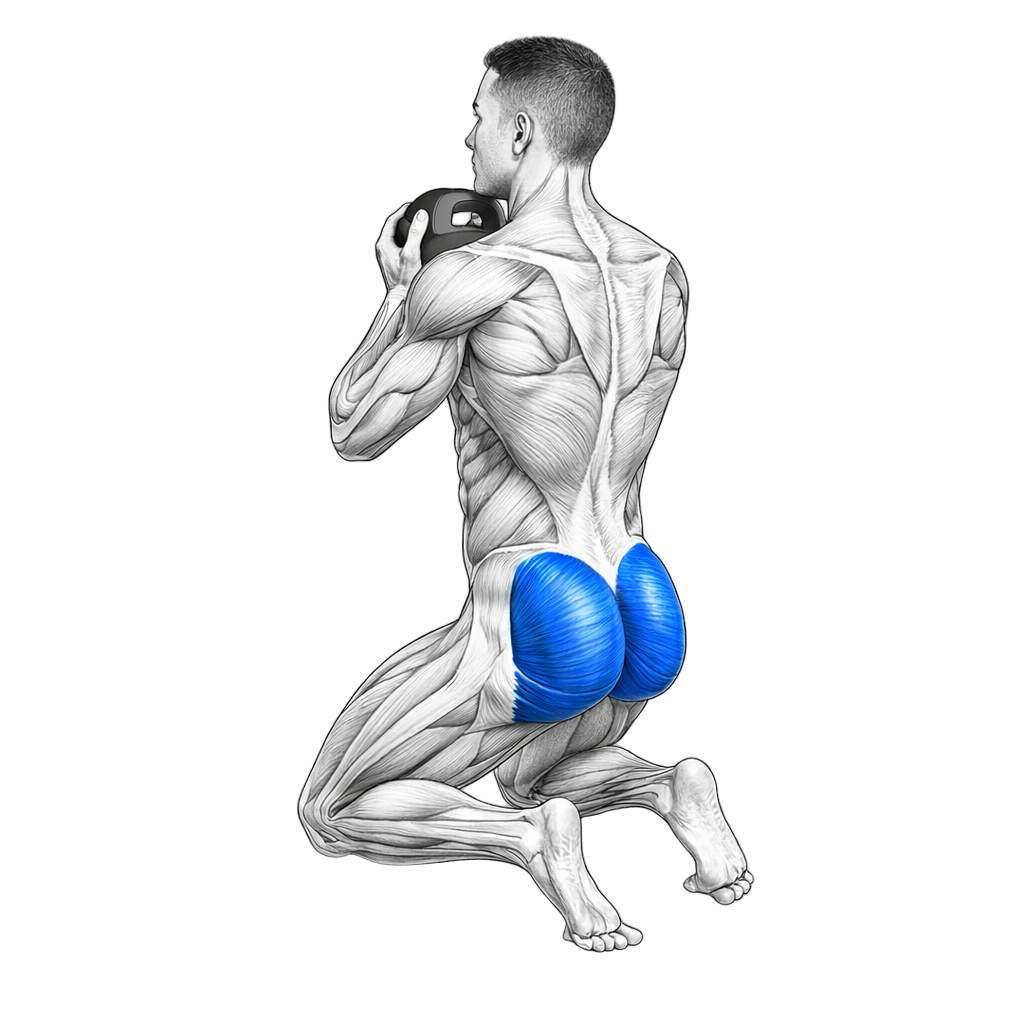
Wide stance pull that shortens the range and loads the hips.
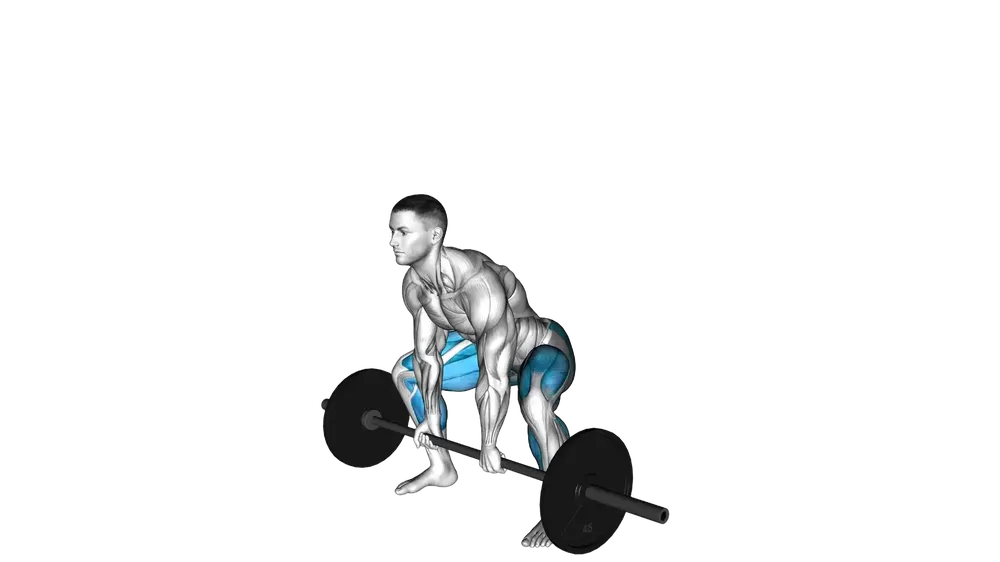
Open your knees out over your toes and keep your back flat the whole pull.
The wide stance drops your hips closer to the bar and keeps your torso more upright, which asks the back to do serious isometric work, locking the spine flat and transmitting force while the glutes power the hips through to lockout. Spreading the floor with your feet keeps the knees tracking out and the pull grooved. It earns its place as a heavy pulling staple, particularly for lifters whose build or lower back tolerance favours the shorter, more upright pull over conventional.
Whichever lets you pull with a flat back and steady progress. Sumo suits many longer-legged lifters and those wanting a more upright torso, conventional generally works the back through more range. Neither is cheating, both are contested at every powerlifting meet.
That is the sumo signature. The wide stance shortens the range but makes the break from the floor the hardest part. Build position and patience, wedge in, take the slack out of the bar, then push the floor away rather than jerking.
Wide enough that your shins are vertical and your arms hang straight down inside your knees. For most people that is toes near the rings on a standard bar, toes turned out so the knees can track over them. Wider is not automatically better.