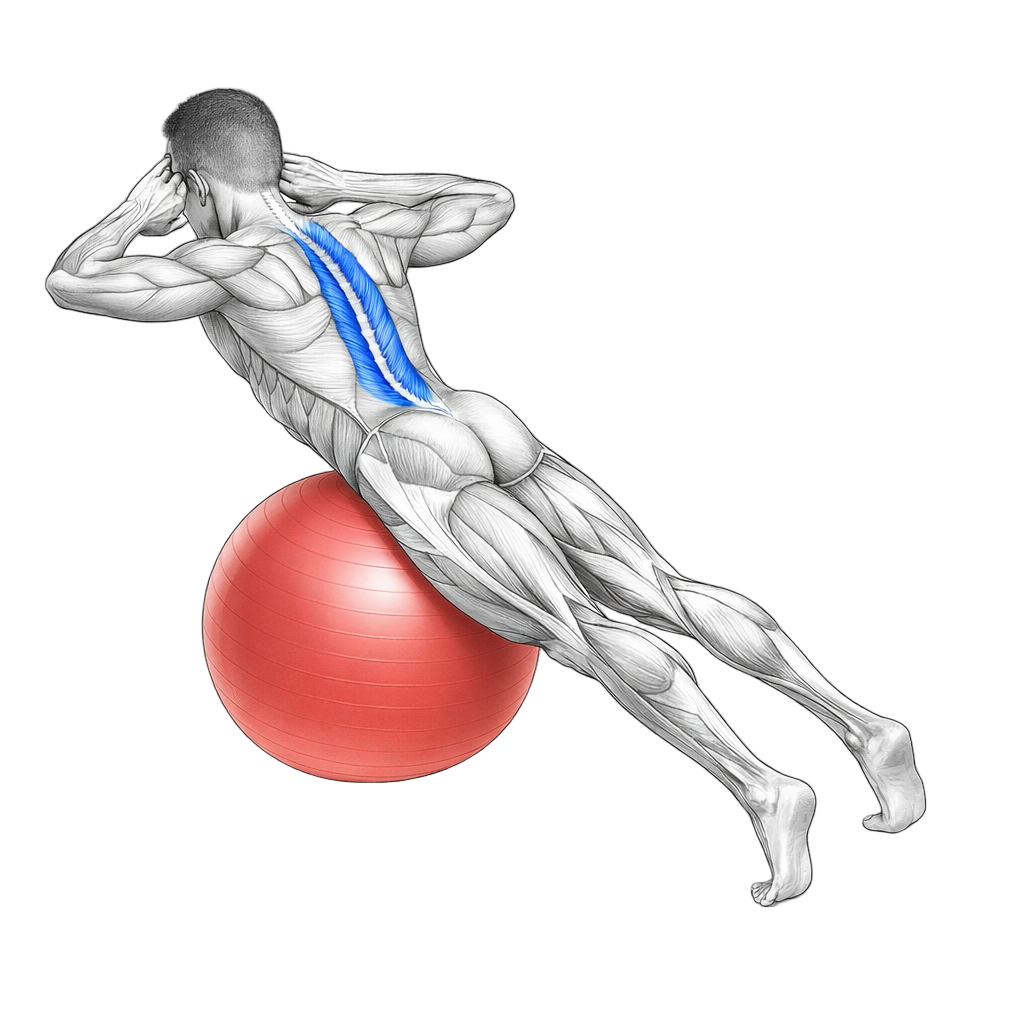
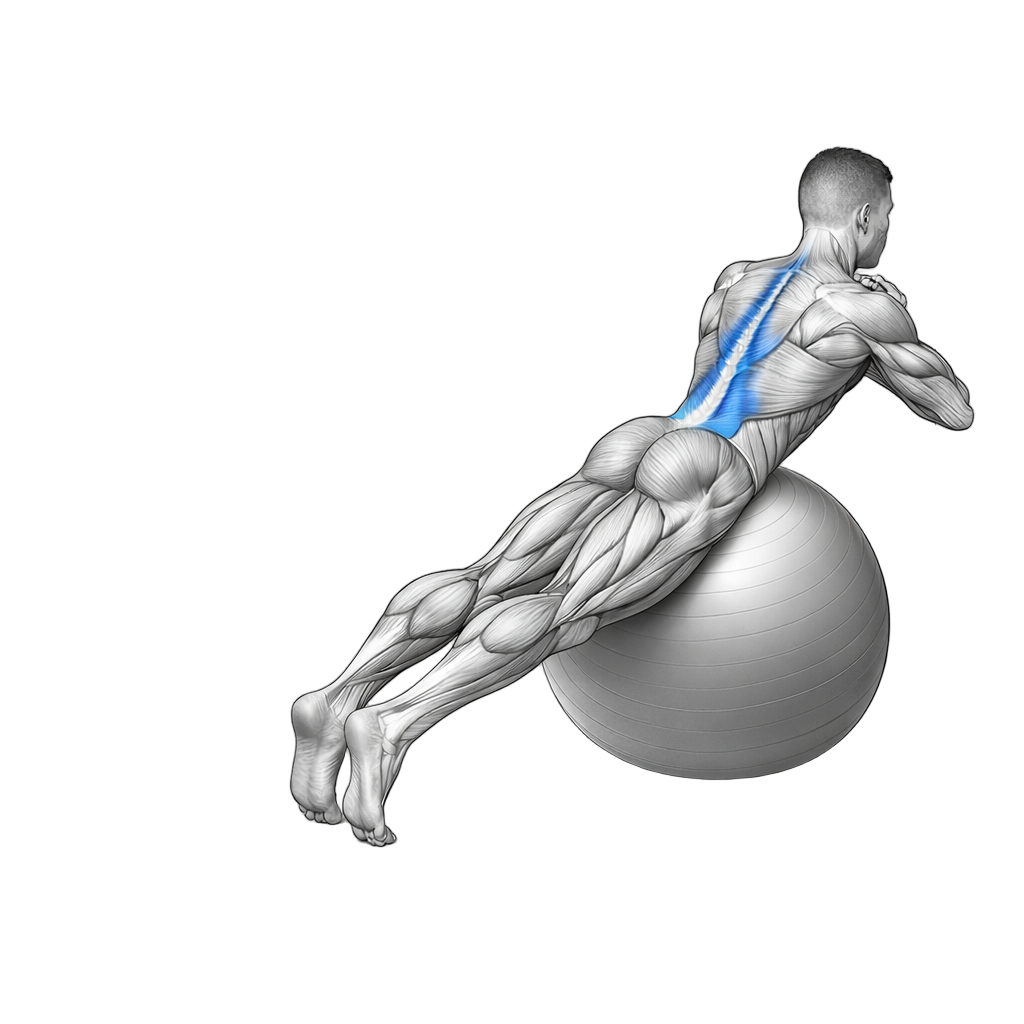
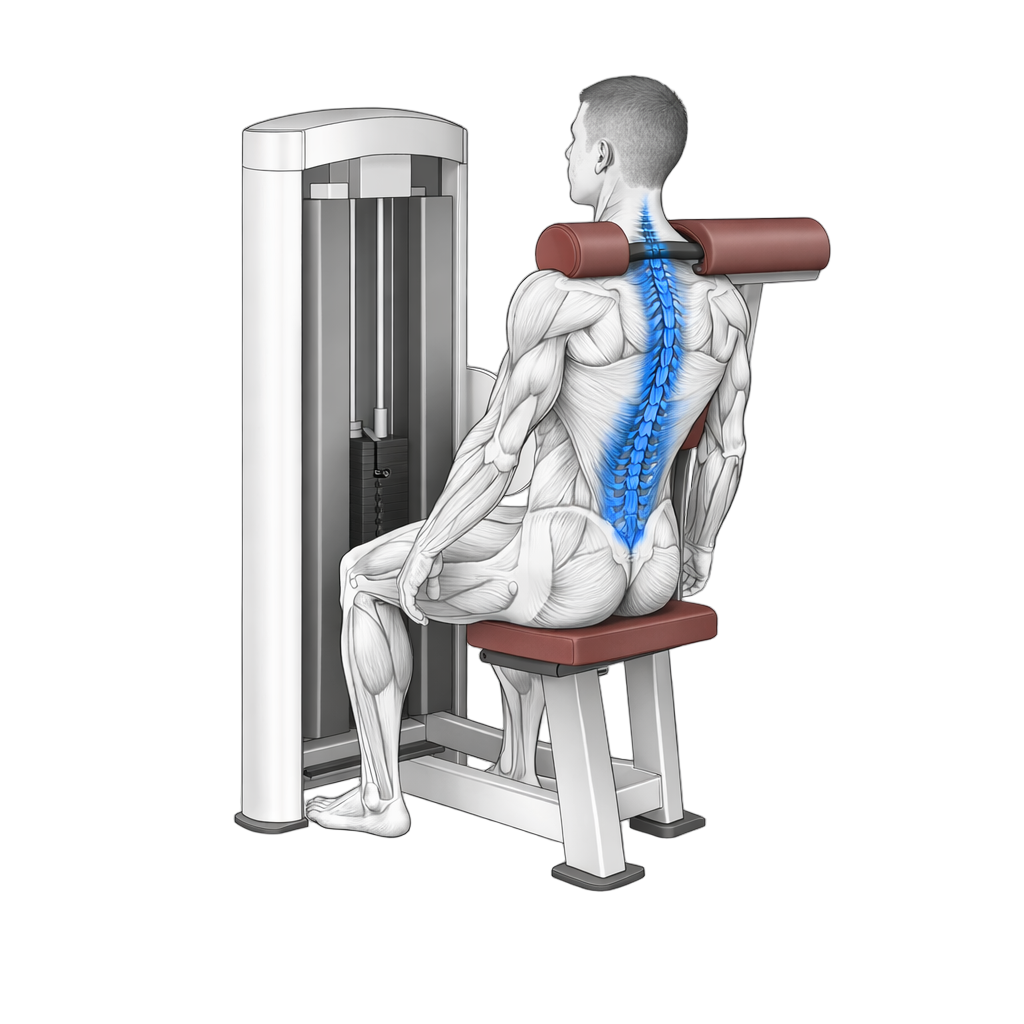
Stuart McGill's favorite core move, and it earns the hype.
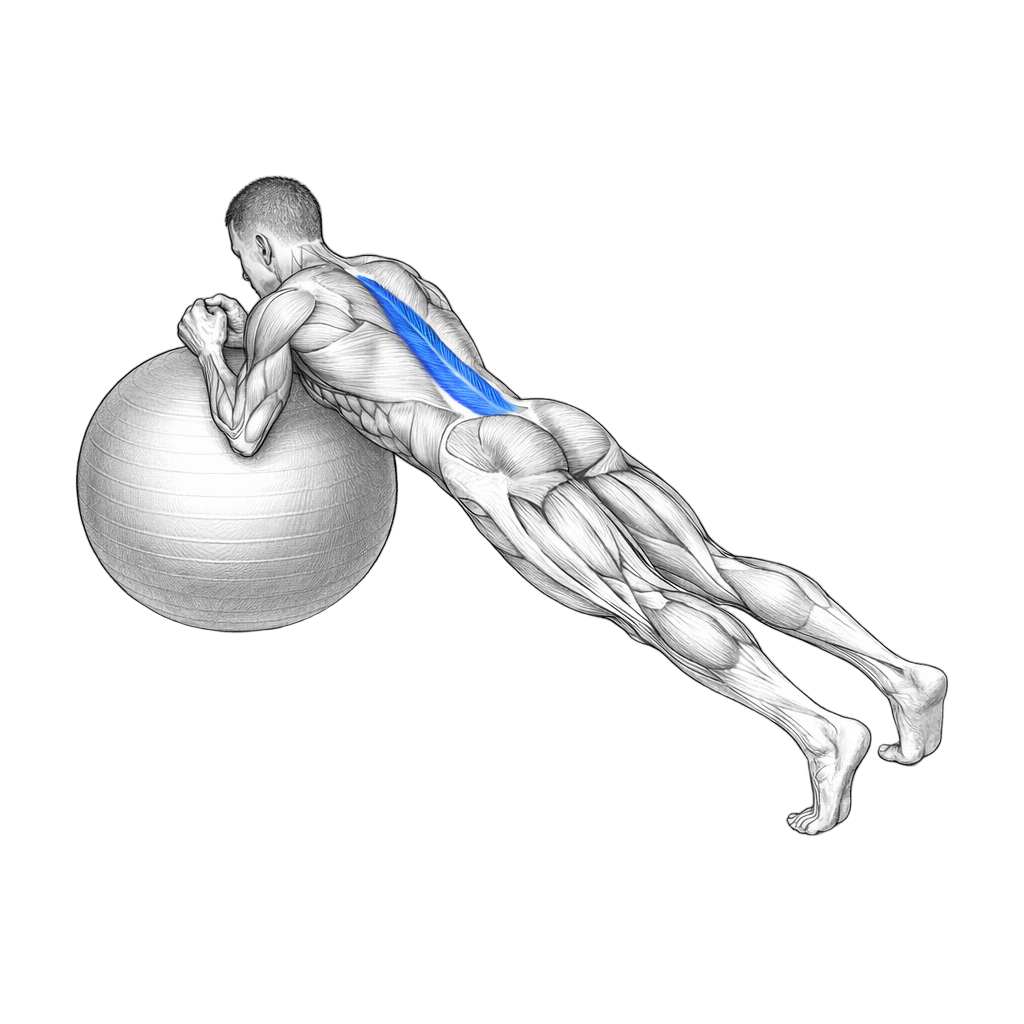
The point is to NOT move your spine. Resist the wobble, don't chase it.
Stirring your forearms in circles on a stability ball makes the muscles around your lower back and spine work overtime to keep your trunk rigid while the ball tries to pull you in every direction at once. Nothing about your spine should move, the whole exercise is resisting motion, which is why it builds the kind of stiffness that protects your back under heavy lifts. It earns a place in core work for lifters who want back-friendly trunk training with a genuine challenge.
The ball. A floor plank is stable, so you can zone out. On the ball every circle shifts your base of support, forcing your trunk to fight constant micro-instability. Small circles on a wobbly surface beat long boring holds on a solid one.
Start tiny, the size of a dinner plate. Bigger circles are the progression, but only earn them once your hips and lower back can stay dead still. If your hips sway with the circle, shrink it.
It was popularised precisely because it trains trunk stiffness without bending the spine. That said, it is a demanding exercise, so start with a solid plank first and progress to the ball when that is easy. If anything hurts, stop.